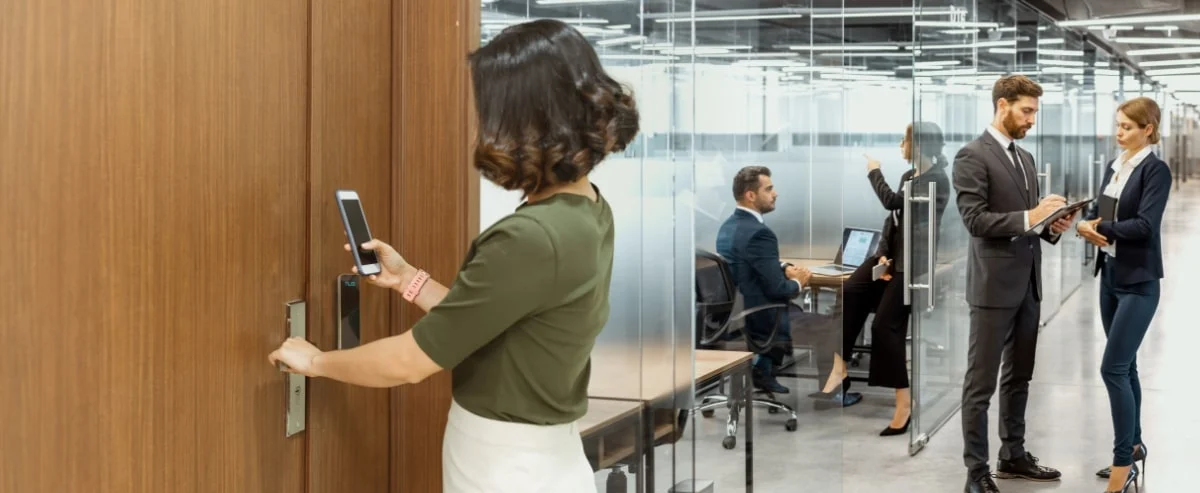
Security is an important consideration for businesses of every size, whether they operate from a small office, a large commercial building, or a busy warehouse. Traditional locks and physical keys have served businesses for years, but they often create challenges when multiple employees, contractors, and visitors need access to different areas. Lost keys, unauthorized entry, and the difficulty of managing access permissions can make everyday security more complicated.
This is where keyless entry systems offer a practical solution. By replacing conventional keys with electronic credentials, access cards, PIN codes, or mobile authentication, businesses can manage building access more efficiently. However, the advantages of these systems become particularly noticeable in workplaces where security, convenience, and controlled movement are essential.
Office Buildings: Managing Employee and Visitor Access
Office buildings often accommodate employees, clients, maintenance workers, and visitors throughout the day. Managing access for everyone can become challenging, particularly in buildings with multiple departments or shared facilities.
Keyless entry technology allows businesses to assign specific access permissions to employees based on their responsibilities. For example, general employees may have access to common workspaces, while managers and authorized personnel can enter restricted offices or storage rooms.
Businesses can also adjust or revoke permissions when employees change roles or leave the organization. This eliminates the need to collect physical keys or replace locks whenever access requirements change.
For offices with flexible working arrangements, electronic access systems can also support employees who work outside traditional business hours without compromising established security policies.
Warehouses: Protecting inventory and Restricted Areas
Warehouses present different security challenges because they frequently contain valuable inventory, equipment, and materials. These facilities may also experience continuous movement involving employees, delivery personnel, suppliers, and transportation teams.
Installing keyless entry systems can help warehouse operators establish controlled access points throughout the property. Storage sections, equipment rooms, administrative offices, and other sensitive locations can be restricted to authorized personnel.
Access records can provide useful information about when electronic credentials were used at particular entrances. This visibility supports internal security reviews and helps managers investigate unusual access activity.
Warehouses operating across multiple shifts can particularly benefit from electronic access management. Instead of distributing numerous physical keys, administrators can assign permissions according to employee schedules and operational responsibilities.
Healthcare Facilities: Supporting Privacy and Controlled Movement
Healthcare environments require careful management of building access because they contain sensitive information, medical equipment, medications, and areas intended only for authorized professionals.
Electronic entry systems can help healthcare administrators separate public spaces from employee-only areas. Treatment rooms, administrative offices, medical supply storage, and records departments may require different levels of access.
Authorized staff can move between designated areas without repeatedly using traditional keys. At the same time, administrators can modify permissions when staffing arrangements or departmental responsibilities change.
Although access technology cannot replace comprehensive privacy and security policies, it can support a more organized approach to controlling movement throughout healthcare facilities.
Retail Stores: Securing Areas Beyond the Sales Floor
Retail security involves more than protecting merchandise displayed to customers. Stockrooms, employee entrances, cash management areas, and administrative offices also require appropriate access restrictions.
Keyless technology helps retailers separate customer-facing spaces from operational areas. Store managers can assign entry permissions to employees according to their responsibilities while restricting access to sensitive locations.
This becomes especially useful for businesses operating several retail locations. Depending on the system selected, administrators may be able to manage access permissions across multiple properties through centralized software.
Electronic credentials can also reduce the inconvenience associated with replacing physical keys when staffing changes occur.
Educational Facilities: Creating Safer and More Organized Spaces
Schools, training centers, and educational institutions accommodate students, teachers, administrators, maintenance personnel, and visitors. Managing movement throughout these environments requires thoughtful security planning.
Electronic access solutions can help institutions control entry to administrative offices, laboratories, equipment storage rooms, and staff-only facilities.
Permissions may be assigned according to staff responsibilities and adjusted when schedules or operational needs change. Some systems also support scheduled access, allowing selected entrances to remain restricted outside designated hours.
However, educational facilities must ensure their access arrangements comply with applicable emergency evacuation and fire safety requirements.
Why Choosing the Right System Matters
Not every commercial property requires the same level of access control. A small office may only need electronic locks at its main entrance, while a large warehouse might require multiple controlled doors, centralized management, and integration with other security equipment.
Before installation, businesses should evaluate building layouts, employee movement, access requirements, emergency exit provisions, and future expansion plans.
Professional assessment can help identify suitable equipment and ensure the selected system supports both security objectives and daily operations.
Conclusion
Electronic access technology gives businesses more control over who can enter their assets, from office buildings and warehouses to healthcare facilities, retail establishments, and educational institutions.
The biggest difference is often seen in environments where numerous people require different levels of access throughout the day. By choosing appropriate keyless entry systems, businesses can reduce the complications associated with physical keys, improve access management, and establish a more organized approach to protecting their facilities.