A home should be more than a collection of attractive rooms. It should support the routines, priorities, and lifestyle of the people who live there. While design trends come and go, a well planned home remains functional because it reflects everyday habits rather than temporary fashion. Whether you enjoy entertaining friends, working remotely, spending time with family, or simply relaxing after a busy day, your home should make those activities easier and more enjoyable.
Creating a living environment that works for you begins with understanding how you use your space every day. Once you focus on practical needs instead of appearances alone, your home becomes more comfortable, efficient, and welcoming.
Observe Your Daily Routine Before Making Changes
Many homeowners begin decorating without first considering how they actually use each room. A better approach is to observe daily routines and identify what works well and what creates frustration.
For example, if the kitchen naturally becomes the center of family life, it deserves thoughtful organization and seating. If a spare room is rarely used, it may be transformed into a home office, reading room, or hobby space that better suits your lifestyle.
People who enjoy following an entertainment blog Australia may also appreciate creating flexible living spaces where family movie nights or casual gatherings can take place comfortably.
Design Spaces That Match Real Activities
Every room should have a clear purpose. Rather than filling spaces with decorative items that rarely get used, choose furniture and layouts that support everyday activities.
A dining room can double as a workspace during the day. A guest bedroom can include storage or exercise equipment without sacrificing comfort. Open living areas can be divided into smaller functional zones using rugs, shelving, or lighting.
When every space reflects how you actually live, your home feels both practical and inviting.
Focus On Comfort Instead Of Following Every Trend
Interior trends constantly change, but comfort never goes out of style. Soft seating, proper lighting, natural airflow, and practical storage create a home that people genuinely enjoy spending time in.
Instead of replacing furniture every few years, invest in durable pieces that suit your daily routine. Comfortable materials, timeless finishes, and flexible layouts remain useful regardless of changing design preferences.
Many of the best businesses Australia understand that long term value often comes from quality and practicality rather than short lived trends. The same principle applies when designing a home.
Create Flexible Spaces For Changing Needs
Modern lifestyles continue to evolve. Children grow older, work arrangements change, hobbies develop, and families expand. A home that can adapt over time provides greater long term satisfaction.
Consider movable furniture, adjustable shelving, multipurpose tables, and storage solutions that can serve different purposes in the future. Flexible spaces reduce the need for expensive renovations while keeping your home functional through every stage of life.
Planning with adaptability in mind helps your home remain useful for many years.
Allow Natural Light To Shape Your Interior
Natural light influences comfort, productivity, and overall mood. Position furniture to maximize sunlight and avoid blocking windows whenever possible.
Light colored walls, reflective surfaces, and thoughtfully placed mirrors can brighten darker areas without major remodeling. During different seasons, adjustable window coverings help maintain comfort while allowing plenty of daylight inside.
Even those keeping up with Melbourne news today may notice how modern residential design increasingly emphasizes brighter interiors that improve everyday living experiences.
Make Shared Areas Encourage Connection
Some of the most memorable moments happen in shared spaces. Living rooms, kitchens, patios, and dining areas should encourage conversation and togetherness.
Arrange seating so people naturally face one another. Leave enough room for movement without creating empty, disconnected areas. Include practical surfaces for meals, games, or casual conversations.
Homes designed around human interaction often feel warmer than those focused entirely on decoration.
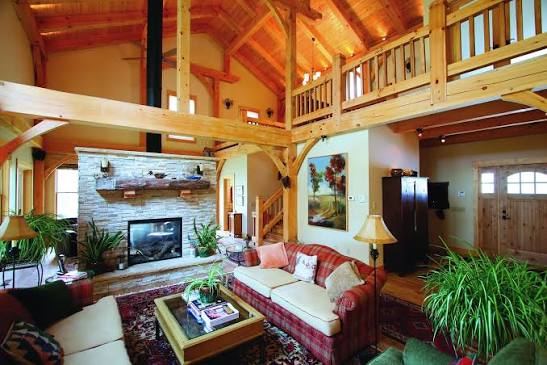
Reflect Your Personality Without Creating Clutter
A home should tell your story. Personal photographs, meaningful artwork, travel souvenirs, handcrafted pieces, and favorite books create warmth and authenticity.
However, displaying everything at once can make rooms feel crowded. Rotate decorative items throughout the year and choose pieces that genuinely add meaning to your surroundings.
For many people of Sydney, homes often blend personal style with functional living, demonstrating that individuality does not require excessive decoration.
Keep Organization Simple And Sustainable
Good organization is not about perfection. It is about making daily life easier.
Store frequently used items where they are most accessible. Use baskets, cabinets, drawer organizers, and labeled containers to reduce clutter. Creating simple systems that every family member can follow makes organization sustainable over the long term.
When everything has a designated place, maintaining a tidy home requires much less effort.
Blend Indoor And Outdoor Living
Outdoor spaces can become valuable extensions of the home. Patios, balconies, gardens, and courtyards provide additional areas for relaxation, dining, and recreation.
Comfortable seating, shade structures, lighting, and low maintenance landscaping encourage more time outdoors throughout the year.
This approach complements the growing urban Australia lifestyle, where homeowners increasingly seek a balance between indoor comfort and outdoor enjoyment despite busy schedules.
Conclusion
A well designed home is not defined by expensive finishes or the latest decorating trends. Its greatest strength lies in how effectively it supports the people who live there. By focusing on everyday routines, prioritizing comfort, creating flexible spaces, maximizing natural light, and organizing with purpose, you can build a home that genuinely improves daily life. When every room reflects your real needs instead of temporary fashions, your home becomes a place that continues to serve and inspire you for years to come.