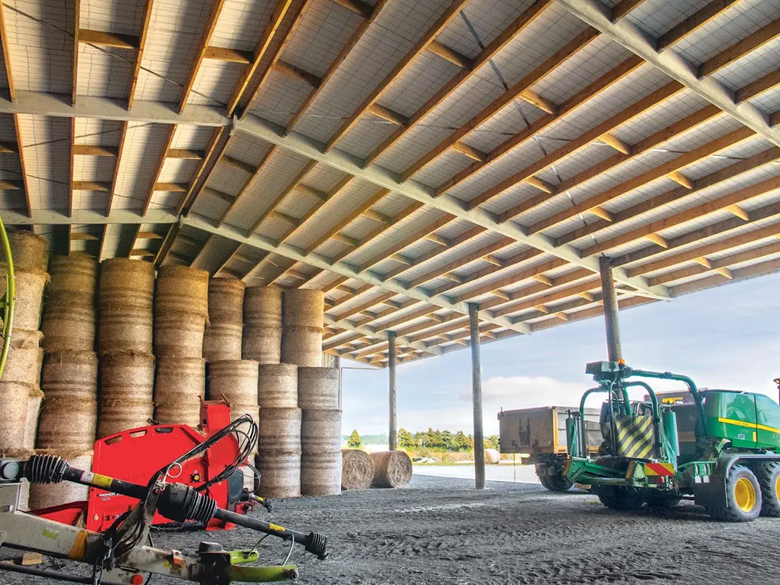
A rural shed has a hard life.
It might be storing hay through a wet winter, protecting machinery from coastal air, sheltering gear during high winds or heavy snow, or simply standing in an exposed paddock with very little around it to break the weather. And when a shed fails, it is rarely just an inconvenience. It can mean damaged equipment, spoiled feed, unsafe working conditions and costly repairs.
So, what actually makes a rural shed durable enough for long-term use?
The answer is not one single feature. It is a combination of smart design, suitable materials, proper site planning, and basic ongoing maintenance. In this article, you will learn what to look for before investing in a shed that needs to perform for years, not just look good on day one.
Table of contents
- Why rural shed durability matters
- The role of site conditions
- Structural design and wind resistance
- Materials that stand up to rural use
- Moisture, airflow and condensation control
- Pest and bird protection
- Maintenance habits that extend shed life
- Quick durability checklist
- Building for the long term
Why rural shed durability matters
Rural buildings are often more exposed than urban buildings. There may be fewer neighbouring structures, trees or fences to reduce wind pressure.
New Zealand’s Building Code sets performance standards for building work, including areas such as stability, moisture, safety, and durability. For rural sheds, this matters because a building is not just a roof over stored items. It is part of the farm’s working infrastructure. The Ministry of Business, Innovation and Employment outlines how building work needs to meet Building Code requirements, including performance expectations around structure and weather protection.
Durability becomes even more important when the shed is used for:
- Tractors and agricultural machinery
- Hay or feed storage
- Tools and workshop gear
- Fertiliser or farm supplies
- Vehicles
- Implements or attachments
A shed that is under-designed for its environment can become expensive very quickly. In a high wind zone, doors that aren’t specified to suit local wind loads don’t just stop tracking properly – they can blow in. In coastal areas, cladding that isn’t rated for salt-laden winds can corrode far faster than expected, sometimes within a few years This means that a shed that wasn’t designed for its location quickly becomes a costly one.
For property owners comparing options for rural sheds in NZ, the key is to look beyond size and price. Long-term value comes from how well the shed is designed for local conditions, daily use and future needs.
The role of site conditions
A durable rural shed starts before the first post or frame goes in. The site itself has a major impact on how long the building will last.
A shed placed in the wrong area may face constant water pooling, excessive wind loading or high snow loading. .
Before building, consider:
- Drainage: Water should move away from the shed, not sit around posts, doors or foundations.
- Prevailing wind: Open sides and large doors should be positioned with local wind patterns in mind.
- Access: Machinery needs enough turning space, especially in wet conditions.
- Ground level: Low-lying areas may increase flood or moisture risk.
- Sun exposure: Harsh sun can speed up wear on some finishes and seals.
- Future expansion: A shed may need extra bays or lean-tos later.
Good site preparation may not be the most exciting part of a shed project, but it is one of the most important.
Structural design and wind resistance
Rural sheds often have large roof spans, wide openings and big doors. These features are practical, but they also create structural demands.
A shed designed for long-term use needs to handle:
- Uplift from strong winds
- Side pressure on walls and doors
- Daily opening and closing of large access points
The design should match the region, exposure and intended use. For example, a small storage shed tucked behind shelterbelts has different requirements from a large workshop shed in an exposed area.
A long-lasting shed should be rigid and stable. If the frame is too light, the effects may not show immediately, but they can appear over time through loose fixings, door misalignment or cladding movement.
Materials that stand up to rural use
A shed is only as durable as the materials used in the right places. Rural environments can be rough on steel, timber, fasteners and cladding.
BRANZ explains that metal corrosion in New Zealand buildings is affected by atmospheric environments and the position of materials on the building envelope. Corrosion can be reduced and managed, but it needs to be considered from the start.
Here is a simple comparison of common durability factors:
| Shed component | What to look for | Why it matters |
| Structural frame | Properly specified structural steel, timber or hybrid systems | Supports long-term strength and stability |
| Cladding | Suitable coating for the local environment | Reduces corrosion and weather damage |
| Roofing | Strong fixings, correct pitch and suitable materials | Helps shed water, snow and resist wind uplift |
| Fasteners | Corrosion-resistant fixings | Weak fixings can shorten the life of the whole shed |
| Doors | Heavy-duty tracks, frames and bracing | Doors often take the most daily wear, and they also need to be specified for your specific site location. If in a high wind zone, don’t want doors blowing in |
| Timber | Treated and pre-dried timber. | Helps reduce movement, warping and decay risk |
Coastal and high-rainfall areas usually need extra attention. Inland rural locations can also be demanding, especially in area’s that experience heavy snowfall.
Moisture, airflow and condensation control
Moisture is one of the quietest threats to shed durability. It can enter as rain, rise from damp ground, form as condensation or get trapped by poor airflow.
A shed used for hay or feed storage needs especially careful moisture control. Damp hay can spoil, and poor ventilation can make the problem worse. Machinery storage also benefits from airflow, as condensation can encourage rust on equipment over time.
Good moisture management may include:
- Adequate roof overhangs
- Well-planned openings
- Ventilation gaps or vents
- Correct site drainage
- Raised storage areas
- Avoiding blocked airflow around stacked materials
- Keeping soil and vegetation away from cladding
The goal is not to make every shed airtight. In many rural settings, airflow is your friend. A shed that can breathe is less likely to trap damp air inside.
Pest and bird protection
Birds and pests can cause more damage than many people expect. Nesting birds lead to an unhygenic working environment, their corrosive droppings damage stored equipment and create mess . Rodents can damage packaging, wiring, insulation and stored goods.
A durable shed should reduce easy nesting and entry points where possible.
Useful design features include:
- Bird-proof roof design
- Fewer ledges where birds can perch
- Secure doors and flashings
- Bird-proof rafters, without knee or apex braces that birds can roost on
This is one area where small design choices can save a lot of cleaning and maintenance later.
Maintenance habits that extend shed life
Even a well-built rural shed needs basic maintenance. The good news is that maintenance does not have to be complicated. It simply needs to be consistent.
WorkSafe New Zealand advises that good planning, maintenance and housekeeping are important for protecting farm buildings and machinery, particularly where fire risks, fuels and chemicals are involved.
A practical maintenance routine could include:
- Clear gutters and downpipes
- Look for early signs of rust or coating damage
- Keep vegetation away from walls
- Check door tracks and rollers
- Maintain clear access ways
- Store chemicals and fuels safely
- Remove bird nests before they become a bigger issue
- Check drainage after heavy rain
The best time to fix a small issue is before it becomes visible from the driveway.
Quick durability checklist
Use this checklist when comparing rural shed options:
| Question | Why it matters |
| Is the shed designed for the local wind zone and exposure? | Reduces structural risk |
| Does the site drain well? | Protects foundations, and minimises flood risk |
| Are materials suitable for coastal, wet or corrosive conditions? | Helps prevent premature corrosion |
| Is there enough ventilation? | Reduces condensation and moisture damage |
| Are doors and openings built for daily use? | Prevents common wear problems |
| Can machinery move in and out safely? | Improves usability and reduces accidental damage |
| Are pest and bird entry points reduced? | Protects stored assets |
| Is there room to expand later? | Makes the shed more useful long term |
Building for the long term
A rural shed should not be treated as a temporary cover unless that is all you truly need. For most farms and lifestyle blocks, it becomes part of the property’s daily workflow.
The most durable sheds are designed around real use. They account for the site, the weather, the stored assets, vehicle movement, and future changes. They also use materials that suit the environment rather than simply looking tidy at handover.
A long-lasting rural shed does not have to be overcomplicated. It just needs the right decisions made early. Choose the site carefully, design for the conditions, use suitable materials, and maintain the building before small problems grow.
Do that, and your shed is far more likely to keep doing its job quietly in the background — season after season, year after year.