Paint is one of the most powerful design elements in your home. The right color can transform a dull room into a cozy haven, make small spaces feel larger, and even boost your mood. Yet, with so many shades and finishes available, choosing the right paint color can feel overwhelming. The key lies in understanding the purpose of each room, the effect you want to achieve, and how colors interact with light and furniture.
Start With Personal Expression
Your home is a reflection of your personality, and the colors you choose should resonate with who you are. Some homeowners prefer vibrant shades that energize, while others lean toward neutrals that create calm.
Just as someone might use a whatsapp dp for girls hidden face to subtly express mood or identity online, your paint choices can convey your style without saying a word. A pastel pink bedroom may speak of serenity, while a bold navy accent wall could symbolize confidence and strength. Let your personality guide your initial selection before diving into technical details.
Factor In Function And Use Of Space
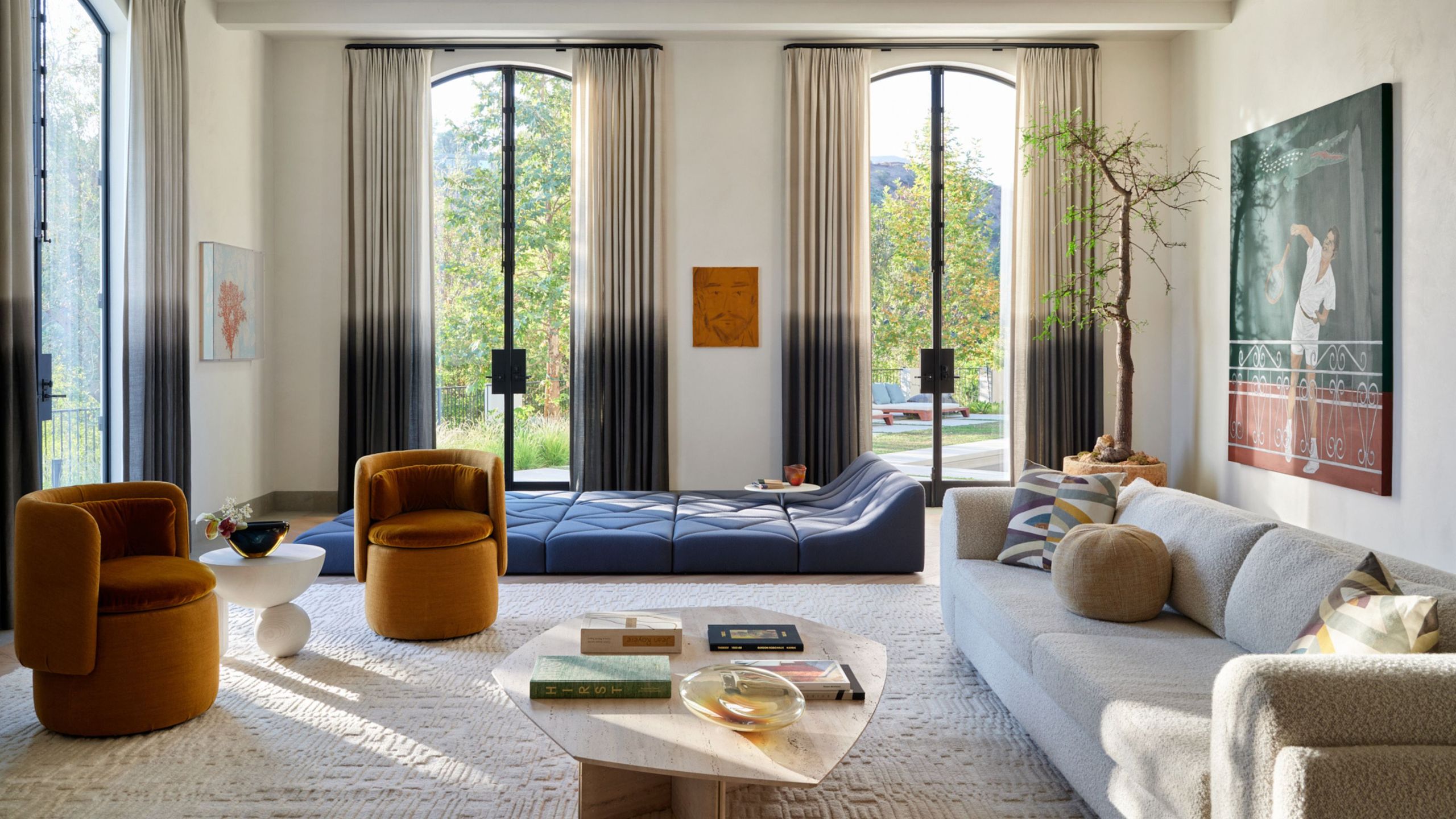
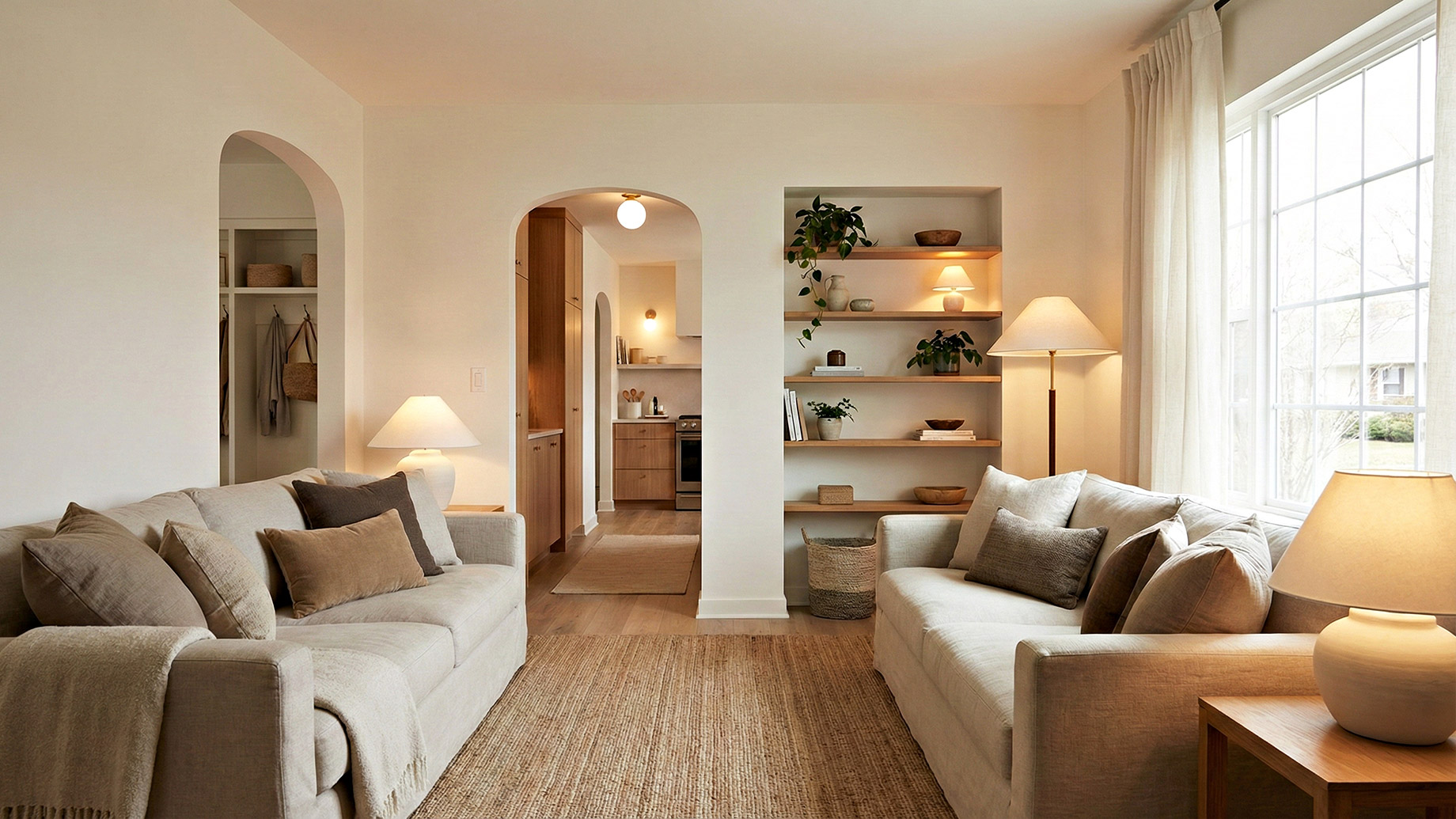
Each room in your home serves a different purpose, and the color should enhance its function. Bedrooms often work best with soothing tones like soft greens, lavenders, or light blues to encourage rest. Living rooms, on the other hand, may benefit from warmer shades like beige or earthy tones that create a welcoming atmosphere.
If you are exploring regional inspiration, browsing classified ads South Australia might give you insights into local styles and color preferences. Communities often reflect their culture and climate in design choices, and borrowing ideas from your surroundings can help you select paint colors that feel both trendy and timeless.
Balance Mood And Emotional Impact
Colors are strongly linked to psychology, influencing mood and energy. Bright yellows may spark creativity, while deep reds can create a sense of passion and warmth. However, the wrong shade can overwhelm or even create discomfort.
This emotional connection is similar to how people express feelings through shayari sad English. Just as words capture emotions in poetry, paint colors capture emotions in spaces. Think about what you want to feel in each room—relaxed, energized, focused—and choose hues that align with that emotional goal.
Consider Light And Room Size
Lighting—both natural and artificial—affects how a color looks in your home. A pale gray may appear sleek and modern in a sunlit room but feel cold and dull in a dim hallway. Always test paint samples on your walls at different times of the day to see how the light changes the color.
Another factor is room size. Dark colors can make a small room feel even smaller, while lighter shades open up the space. Balancing tone and brightness ensures that your chosen colors enhance rather than hinder the overall look of your interiors.
:strip_icc()/cdn.cliqueinc.com__cache__posts__277032__how-to-pick-paint-colors-277032-1549477716321-image.700x0c-355e170426eb47c7a70362985dc90dc2.jpg)
Get Inspiration From Multiple Sources
Magazines, Pinterest boards, and even local design exhibitions are great ways to discover trending palettes. However, inspiration often comes from unexpected places too—fashion, nature, or cultural references.
For example, many websites with a write for us section share creative insights from contributors around the world. Reading these pieces exposes you to diverse perspectives on design and color use. Taking cues from different voices can spark unique ideas for your own home that go beyond mainstream choices.
Harmonize With Furniture And Décor
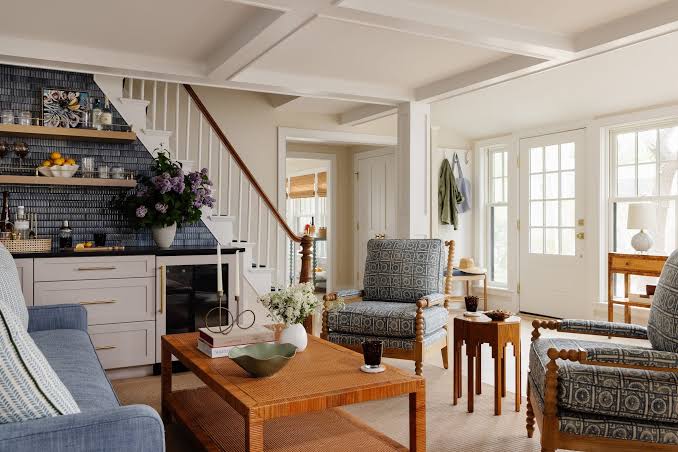
Paint colors should complement—not clash with—the furniture and accessories in a room. If you already have a bold couch or patterned rug, a neutral wall color may provide balance. Conversely, if your furniture is simple, a vibrant accent wall can add interest and depth.
Dining areas are a great example. Many homeowners draw inspiration from an Australian restaurants listing, noting how eateries use clever color schemes to create atmosphere. Whether it’s warm reds that stimulate appetite or soft neutrals that encourage relaxation, restaurants often serve as great models for designing dining spaces at home.
Don’t Be Afraid To Experiment
While choosing paint colors requires thought, it’s also about creativity. Accent walls, two-tone combinations, or textured finishes can add personality and charm. The key is to experiment with samples before committing. Paint a small section, live with it for a few days, and observe how it feels.
Remember, paint isn’t permanent. If a shade doesn’t work, it can be changed. Viewing your home as a living canvas allows you to adapt and evolve your choices as your tastes shift over time.
Final Thoughts
Selecting the right paint color for every room is both an art and a science. It involves balancing personal expression, functionality, emotional impact, and harmony with existing décor. By testing shades, considering lighting, and drawing inspiration from diverse sources, you can create a home that feels comfortable, stylish, and uniquely yours.
Your paint choices should reflect not only trends but also your personality and lifestyle. After all, a well-painted home isn’t just visually pleasing—it’s a place where every color tells a story.