Homes rarely remain exactly the same throughout the years. Families grow, routines change, people begin working from home, children need study areas, and hobbies suddenly require additional space. A room designed for only one purpose may eventually become inconvenient. Flexible household spaces, however, can adapt as priorities change and often provide greater long term value.
Spare Rooms That Grow With the Household
A spare room does not necessarily need a permanent identity. Instead of immediately turning it into a dedicated guest bedroom, homeowners can choose furniture and storage that allow the room to perform several functions.
A folding desk can create a temporary home office, while a sofa bed can accommodate overnight guests. Open shelving can support hobbies, books, or children’s school supplies. The same principle applies to digital organization. Families increasingly keep useful online resources such as www.pmmvy20.com alongside household documents and other information they may want to access when needed.
Leaving the room adaptable prevents homeowners from having to redesign it whenever their circumstances change.
Dining Areas beyond Formal Meals
Traditional dining rooms can occupy considerable floor space despite being used only occasionally. A flexible dining area can become much more valuable by supporting activities beyond eating.
A large table might serve as a homework station in the afternoon, a crafting surface on weekends, or a temporary workspace during busy periods. Storage positioned nearby can hold stationery, games, chargers, and other frequently used items.
Even household administration can happen here. Someone researching schemes, services, or energy related information might search for the Pm Surya Ghar Muft Official Website while sitting at the same table that later becomes the center of a family dinner.
Kitchens With Adaptable Work Zones
Modern kitchens handle much more than cooking. They are often places for conversation, planning, studying, and casual dining. Creating adaptable work zones makes it easier for several activities to happen without interfering with food preparation.
Movable islands, stools that tuck beneath counters, adjustable shelving, and multipurpose storage can increase flexibility. A clear section of counter might be used for meal preparation in the evening and paperwork during quieter parts of the day.
For households managing agricultural or family related records, online searches such as pm kisan status list may also form part of routine administrative tasks. Having practical spaces where digital and physical paperwork can be organized helps the kitchen support broader household needs.
Entryways That Handle Changing Routines
Entryways are often treated as simple transitional areas, but thoughtful flexibility can make them highly functional. The requirements of an entrance change according to seasons and household routines.
Hooks can hold jackets one month and bags the next. Benches with storage can accommodate shoes, sports equipment, shopping bags, or children’s belongings. Small shelves can provide temporary places for keys, documents, and parcels.
The important idea is to avoid designing every inch for one specific item. Adjustable storage allows the entrance to evolve without requiring new furniture whenever routines change.
Study Corners That Support Household Administration
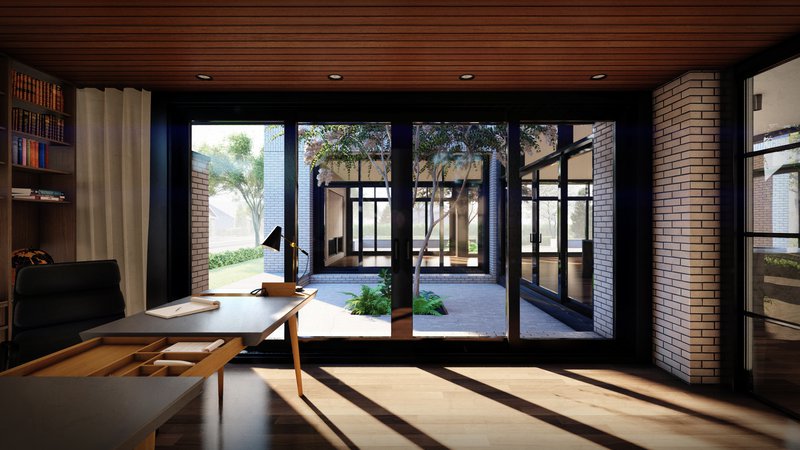
Not every home has enough space for a dedicated office. A compact study corner can still become extremely useful when it is designed to accommodate different activities.
A small desk, accessible electrical outlets, comfortable seating, and organized document storage may support remote work, studying, budgeting, or property related administration. For example, someone handling property information might use services associated with kaveri karnataka online as part of their digital tasks.
Similarly, households dealing with land information may Visit Mee Bhoomi while reviewing records or completing administrative work. A flexible study area makes these occasional responsibilities easier without permanently sacrificing an entire room.
Outdoor Areas With Multiple Possibilities
Balconies, patios, porches, and backyards can also benefit from flexible planning. Heavy permanent furniture can restrict the way an outdoor area is used. Lightweight seating, folding tables, movable planters, and modular storage provide more possibilities.
A patio might function as a breakfast area in the morning, a children’s activity space in the afternoon, and an entertaining area at night. When furniture can be moved easily, even relatively small outdoor spaces can accommodate changing needs.
Flexibility Creates Lasting Value
The most valuable household spaces are not always the largest or most elaborately designed. Often, they are the spaces capable of responding to everyday changes.
Flexible rooms reduce the pressure to renovate whenever lifestyles evolve. By choosing movable furniture, adaptable storage, neutral layouts, and multipurpose surfaces, homeowners can create spaces that remain useful through different stages of life. A home that can change alongside its occupants is often better prepared for needs that cannot be predicted when it is first designed.