When plumbing breaks down out of the blue, it can make a normal day stressful. It’s possible to find water on the floor of your bathroom, hear strange sounds coming from the pipes, or find that your toilet suddenly overflows. If you don’t take care of these problems right away, they can mess up your daily routines and even damage your property badly.
If you know what to do in a plumbing emergency, you can protect your property, avoid spending too much money, and make smart choices while you wait for professional help. During the first few minutes, doing the right things can make a big difference.
Identify the Type of Plumbing Failure
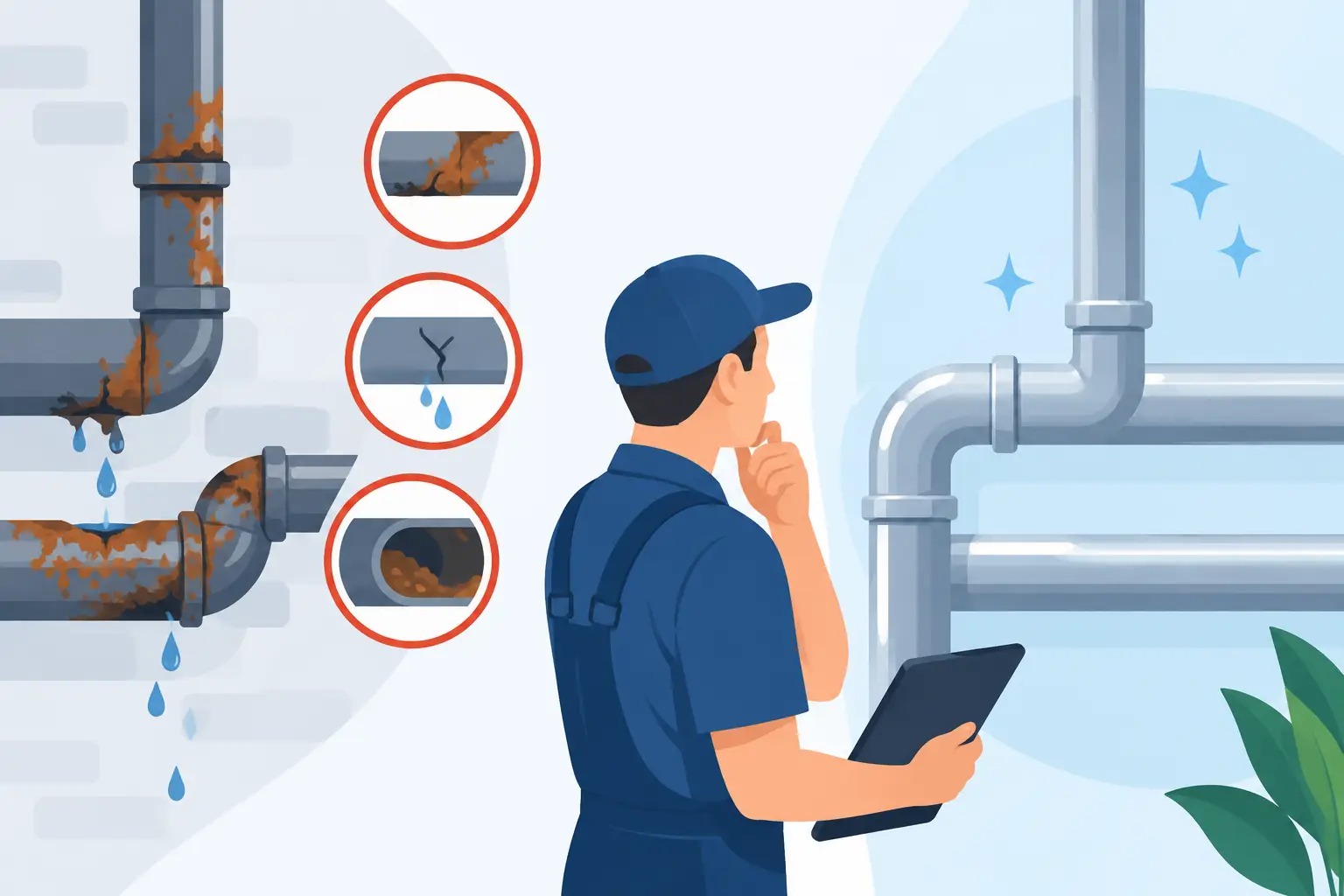
Before attempting any repairs, determine what has gone wrong. Plumbing failures can involve burst pipes, overflowing toilets, blocked drains, leaking fixtures, or problems with the hot water system. Each situation requires a slightly different response.
For example, a burst pipe may release water continuously, while a blocked drain might cause wastewater to return through sinks or floor drains. A leaking hot water system may also create additional risks if electrical components are nearby.
Pay attention to where the problem started and whether it affects one fixture or several areas of your home. This information can help a professional plumber identify the likely cause and prepare appropriate equipment.
Shut Off the Water Supply Immediately
When water is escaping from a damaged pipe or fixture, stopping the flow should be your first priority. Locate the main water shutoff valve, which is commonly positioned near the water meter or where the main supply enters the property.
Turning off this valve can prevent additional water from entering the plumbing system and reduce the extent of flooding.
If the problem affects only one fixture, such as a toilet or sink, you may be able to isolate that fixture without shutting off water throughout the entire property.
Homeowners should familiarise themselves with the location of their shutoff valves before an emergency occurs. This simple preparation can save valuable time.
Protect Electrical Areas and Household Belongings
Water and electricity are a dangerous combination. If flooding occurs near electrical outlets, appliances, or wiring, avoid entering the affected area or touching electrical equipment.
Only disconnect electricity if you can safely access the switchboard without approaching standing water. Otherwise, keep away and contact a qualified electrician or emergency services when necessary.
Once the area is safe, move furniture, rugs, documents, and other valuable belongings away from the affected space.
Using towels, buckets, or containers may help contain minor leaks temporarily. However, avoid attempting to control significant flooding when doing so could place you at risk.
Contact a Professional Emergency Plumber
Some plumbing problems cannot wait until regular business hours. Burst pipes, sewage backups, major leaks, and complete drainage failures often require urgent professional attention.
contacting an emergency plumber Leichhardt residents can rely on may help ensure that serious plumbing issues are assessed promptly by someone familiar with local residential plumbing requirements.
When speaking with a plumber, explain the symptoms clearly, including when the problem started, whether the water supply has been turned off, and which areas are affected.
Providing accurate information can help the plumber understand the urgency of the situation and determine what tools or replacement components may be required.
Avoid Temporary Repairs That Could Make Things Worse
When plumbing fails unexpectedly, homeowners sometimes attempt quick repairs using household materials or unsuitable tools. Although certain temporary measures may reduce minor leakage, improper repairs can worsen damaged pipes or fittings.
For example, overtightening a leaking connection may damage its threads, while using chemical drain cleaners in an already blocked system can create additional hazards.
Avoid dismantling complicated plumbing components unless you have the necessary knowledge and equipment.
Instead, focus on isolating the problem, preventing further water damage, and keeping the affected area accessible for professional inspection.
Document the Damage Before Cleaning Up
If a plumbing failure causes property damage, take photographs of affected floors, walls, furniture, and visible plumbing components when it is safe to do so.
Documentation may be useful when discussing repair costs or submitting an insurance claim.
Keep records of emergency plumbing services, replacement materials, and related expenses. Depending on your insurance policy, certain types of sudden water damage may be covered.
After documenting the situation, begin appropriate cleanup measures to reduce prolonged moisture exposure. Significant flooding or sewage contamination may require specialist restoration services.
Prevent Another Unexpected Plumbing Emergency
Once the immediate problem has been repaired, consider whether other parts of your plumbing system need attention.
A professional inspection may reveal deteriorating pipes, excessive water pressure, loose connections, or drainage problems that could contribute to future failures.
Regular maintenance, prompt attention to small leaks, and responsible drain usage can reduce the likelihood of recurring issues.
It is also useful to keep emergency plumbing contact details accessible and ensure household members know how to shut off the main water supply.
Conclusion
Unexpected plumbing failures require quick decisions, but rushing into unsafe repairs can create additional problems. Identifying the issue, isolating the water supply, protecting electrical areas, and contacting qualified professionals are essential steps toward managing the situation.
With practical emergency preparation and ongoing plumbing maintenance, homeowners can reduce potential damage, avoid unnecessary complications, and restore their plumbing systems with greater confidence.