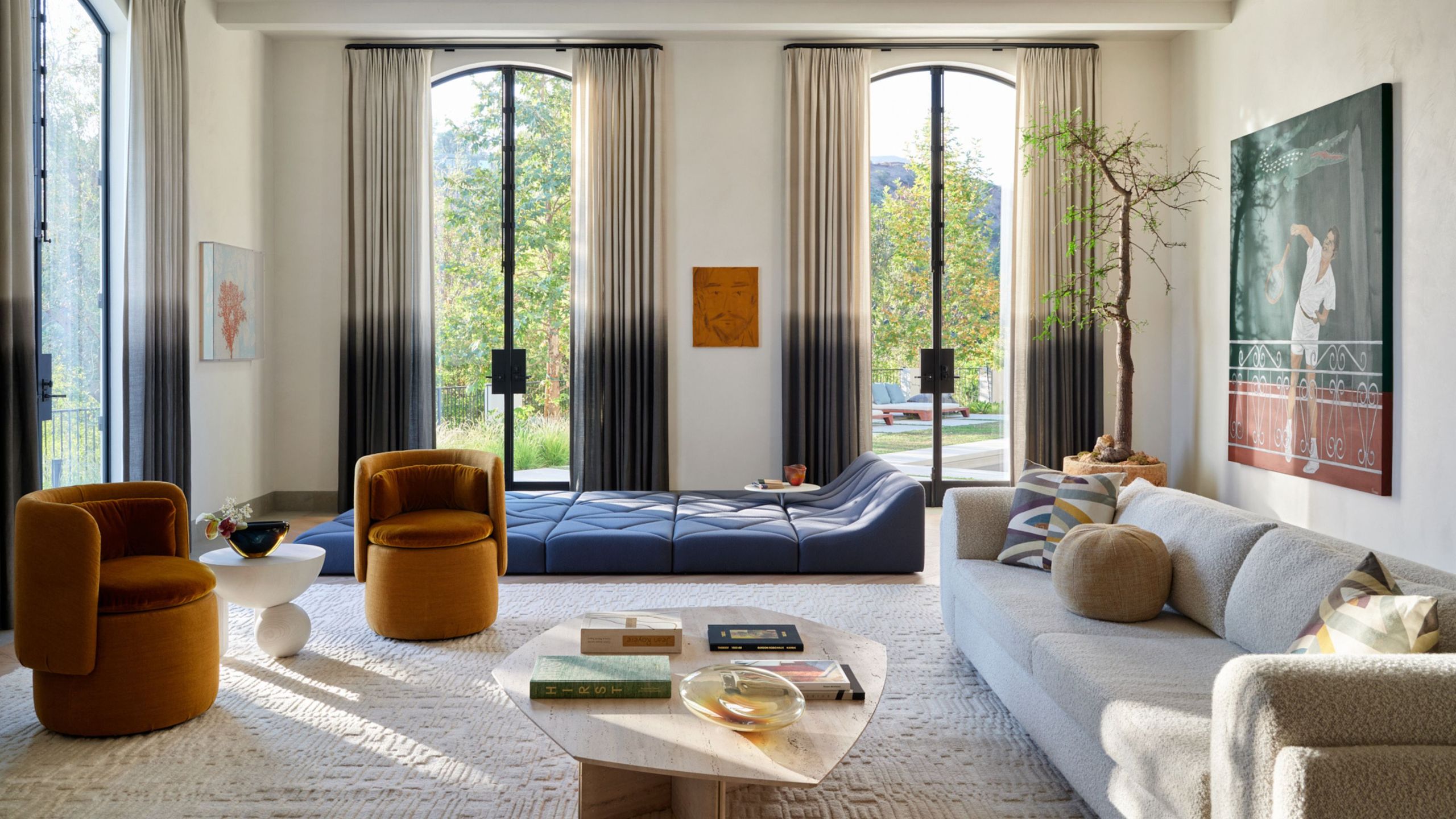
A beautiful home is not always the one that follows the latest decorating trend. Instead, it is the home that supports the way people actually live. While fashionable interiors may look impressive in magazines or on social media, they can quickly lose their appeal if they do not meet everyday needs. Designing living spaces around daily habits creates homes that remain comfortable, practical, and enjoyable for years.
Rather than asking what is popular this season, homeowners can ask how they spend their time each day. The answers often lead to better design decisions that improve both comfort and functionality.
Start With Your Daily Routine
Every household follows its own rhythm. Some families begin the day with busy mornings, while others work remotely and spend more time at home. Understanding these routines helps determine how each room should function.
For example, someone who cooks every evening may benefit from a spacious, organized kitchen instead of investing heavily in decorative features. Likewise, a family with young children may prefer durable flooring and flexible storage over delicate furniture.
Many design experts featured in an australian business magazine have highlighted how practical planning often provides greater long term value than simply following seasonal trends.
Let Function Shape Every Room
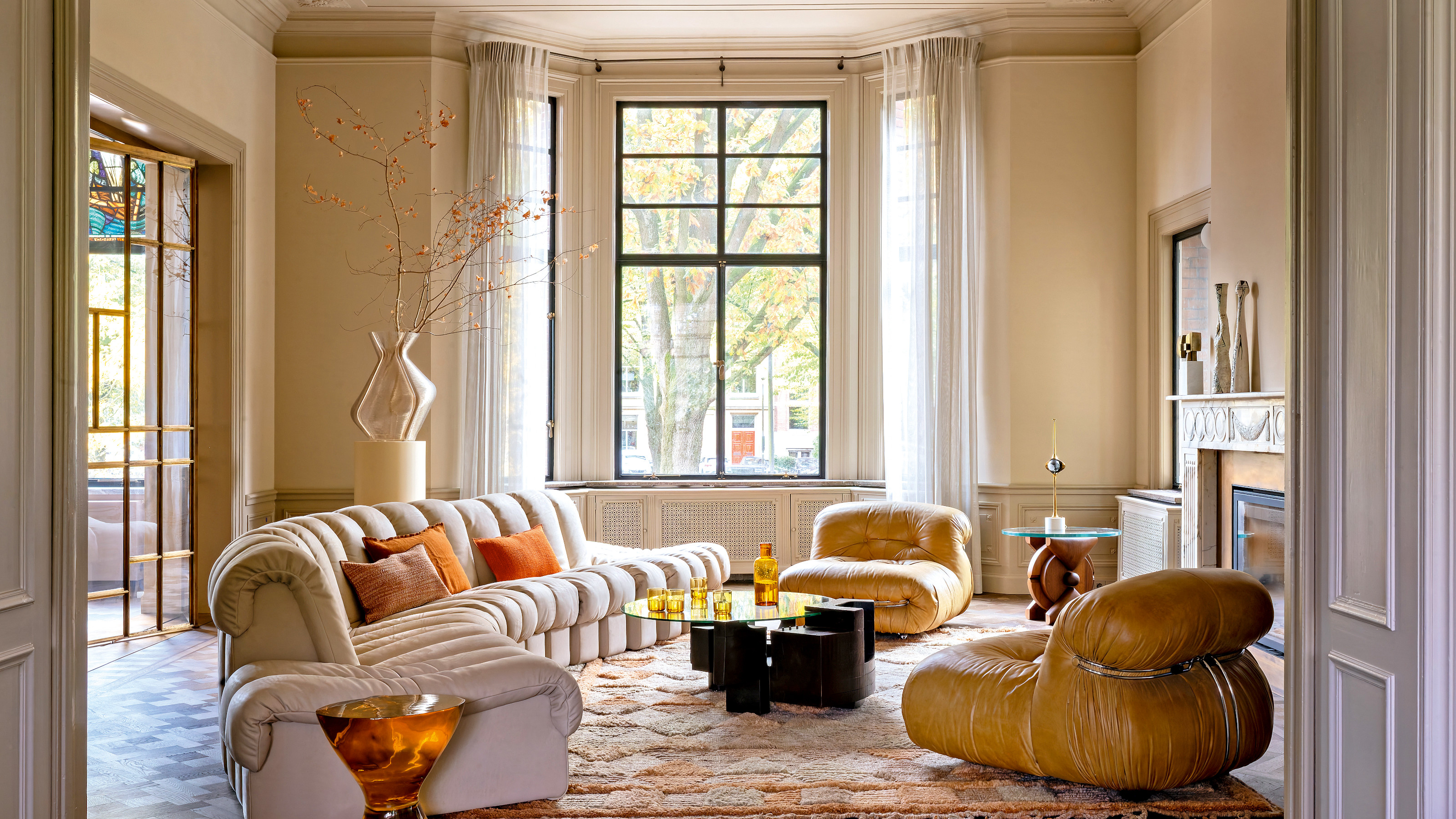
Each room should have a clear purpose that reflects everyday life. Living rooms can encourage conversation rather than focusing entirely on television placement. Bedrooms should promote rest through thoughtful layouts, calming colors, and minimal clutter.
When every space supports its intended purpose, the entire home becomes easier to enjoy. Functional homes also reduce unnecessary stress because everything has a logical place and daily activities become more efficient.
Instead of purchasing furniture simply because it is fashionable, homeowners can choose pieces that fit their routines, available space, and storage requirements.
Design Storage Around Real Life
Storage is often treated as an afterthought, yet it has one of the biggest impacts on daily living. Well planned storage keeps homes organized without requiring constant effort.
Think about what items are used every day. Shoes should have convenient storage near the entrance. Kitchen utensils should be within easy reach while cooking. Cleaning supplies should be stored where they are regularly needed.
This practical approach reflects the philosophy promoted by business core australia, where efficient organization often leads to better productivity both at work and at home.
Create Flexible Spaces for Changing Needs
Modern lifestyles continue to evolve. A dining room may become a workspace during the day. A guest room might also function as a hobby area or home office. Designing flexible spaces allows homes to adapt without requiring expensive renovations.
Furniture that serves multiple purposes, movable seating, and adjustable lighting help rooms transition easily between different activities.
Flexible design also prepares homeowners for future life changes, whether welcoming children, caring for older family members, or shifting to remote work arrangements.
Prioritize Comfort Over Fashion
Interior trends change every year, but comfort remains timeless. Choosing comfortable seating, practical layouts, and quality materials creates spaces people genuinely enjoy using.
Natural lighting, proper ventilation, and furniture that supports everyday activities often contribute more to satisfaction than expensive decorative accessories. A comfortable reading chair placed beside a sunny window may provide greater value than several trendy decorative pieces.
Discussions on an australian media blog frequently emphasize that successful design should improve the quality of everyday experiences rather than simply creating attractive photographs.
Build Around Personal Habits
Every family has unique interests and hobbies. Some enjoy entertaining guests regularly, while others prefer quiet evenings reading or watching movies. Designing around these habits makes the home feel more personal.
Book lovers may appreciate custom shelving throughout the home. Fitness enthusiasts can dedicate space for exercise equipment. Gardeners may prioritize outdoor access and storage for tools.
When homes reflect personal lifestyles instead of temporary fashions, they become more meaningful and easier to maintain over time.
Think Long Term Instead of Short Term
Trend driven renovations often require frequent updates as styles change. In contrast, habit based design remains useful because daily routines evolve much more slowly.
Investing in durable materials, quality craftsmanship, and timeless layouts often reduces maintenance costs while increasing satisfaction over many years. These decisions also make future updates easier because the home’s core functionality already meets everyday needs.
Recent small business insights australia have shown that long term planning consistently produces stronger results than chasing short lived opportunities. The same principle applies to creating a successful home environment.
A Home That Supports Everyday Living
The best homes are not defined by expensive finishes or the latest decorating trends. They are defined by how well they support the people who live in them. Every design decision should make everyday tasks easier, more comfortable, and more enjoyable.
Many of the top businesses australia succeed because they understand their customers instead of simply following industry trends. Homeowners can apply the same mindset by understanding their own daily habits before making design choices.
Conclusion
Building living spaces around daily habits creates homes that remain practical, welcoming, and satisfying long after design trends have faded. By focusing on routines, comfort, flexibility, and functionality, homeowners create environments that genuinely enhance everyday life. A home designed around real living does more than look attractive. It supports the people inside it every single day, making ordinary moments more enjoyable and creating lasting value for years to come.