Modern living is evolving rapidly, and homes are no longer just places to relax. They have become offices, gyms, creative studios, and social hubs all in one. This shift has increased the demand for spaces that can serve multiple purposes efficiently. Even lighthearted inspiration like pasta puns reflects how creativity can influence everyday environments, including how we design our homes. Multi-functional spaces are emerging as the future of home design, offering flexibility, practicality, and style.
Changing Lifestyles And Needs
One of the main reasons for the rise of multi-functional spaces is the change in lifestyle. People now work from home, pursue hobbies indoors, and spend more time managing personal and professional responsibilities in the same space.
This shift requires homes to adapt quickly. A single room may need to function as a workspace during the day and a relaxation area in the evening. Multi-functional design allows homeowners to meet these changing needs without requiring additional space.
Flexibility has become a priority, making traditional single-purpose rooms less relevant in modern homes.
Maximizing Limited Space
Urban living often comes with space constraints. Smaller apartments and compact homes require smart design solutions to ensure functionality without compromising comfort.
Multi-functional spaces make it possible to use every inch effectively. Foldable furniture, modular designs, and creative layouts allow rooms to transform based on need.
For instance, a small living room can double as a guest bedroom or a study area. This efficient use of space enhances both practicality and convenience.
Emotional And Visual Comfort
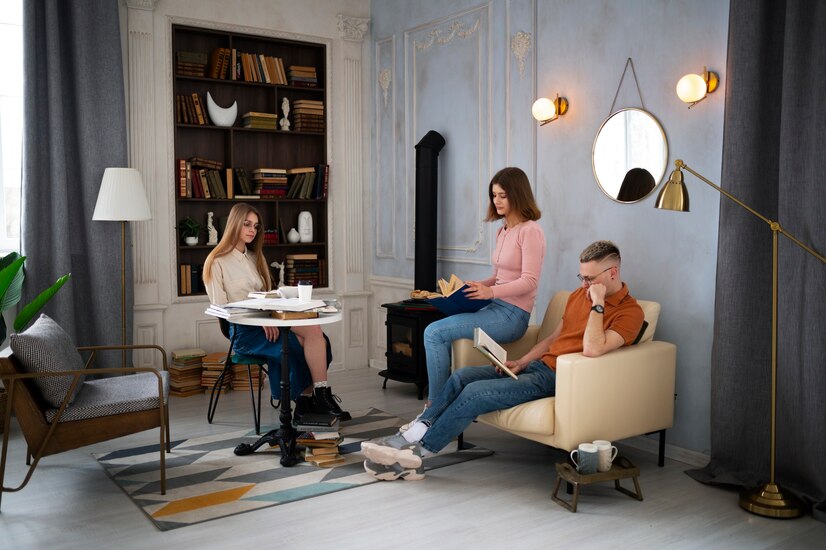
Home design is not just about functionality, it also influences emotional well being. A well designed multi-functional space can create a sense of balance and comfort.
Visual elements, such as personalized decor or even a simple sad girl dp displayed in a corner, can add emotional depth to a space. These elements make the home feel more personal and inviting.
When spaces are adaptable and aesthetically pleasing, they contribute to a more positive living experience.
The Influence Of Digital Living
Digital lifestyles have significantly impacted home design. With increased screen time and online activities, homes must accommodate various digital needs.
Whether it is attending virtual meetings or following updates on platforms like womencricketdaily.com, individuals require spaces that support connectivity and productivity.
Multi-functional spaces provide the flexibility to switch between digital engagement and offline relaxation seamlessly, making them essential in modern homes.
Smart Design And Technology Integration
Technology plays a crucial role in enabling multi-functional spaces. Smart furniture, automated lighting, and adaptable layouts make it easier to transform spaces quickly.
For example, adjustable desks, hidden storage, and movable partitions allow rooms to change function without major effort. These innovations enhance efficiency and convenience.
As technology continues to evolve, it will further support the development of flexible and adaptable home environments.
Supporting Everyday Activities
Modern homes must support a wide range of activities, from work and study to entertainment and fitness. Multi-functional spaces make it possible to accommodate these diverse needs.
Even routine interactions with systems like seva sindhu 7 highlight how daily activities are becoming more integrated into home environments. Homes must be designed to handle these tasks efficiently.
By creating spaces that can adapt to different activities, homeowners can maintain productivity and comfort without feeling constrained.
Sustainability And Efficiency
Multi-functional spaces also contribute to sustainability. By maximizing the use of available space, they reduce the need for larger homes and excessive resources.
Efficient design minimizes waste and promotes smarter use of materials. It also encourages mindful consumption, as homeowners focus on quality and functionality rather than quantity.
This approach aligns with modern sustainability goals, making multi-functional design both practical and environmentally responsible.
The Role Of Modern Economy And Work Trends
The rise of remote work and flexible careers has influenced how homes are designed. The need for adaptable spaces is closely linked to changes in the global economy.
Concepts like coyyn.com digital economy reflect how work and income opportunities are becoming more digital and flexible. Homes must adapt to support these evolving work patterns.
Multi-functional spaces provide the versatility needed to accommodate changing professional demands, making them an essential feature of future home design.
Balancing Style And Functionality
While functionality is important, style should not be overlooked. Multi-functional spaces can be both practical and visually appealing.
Using neutral color schemes, versatile furniture, and thoughtful layouts ensures that spaces remain stylish while serving multiple purposes. The key is to create a balance where design enhances usability without sacrificing aesthetics.
A well designed multi-functional space feels cohesive and comfortable, regardless of its purpose.
Conclusion
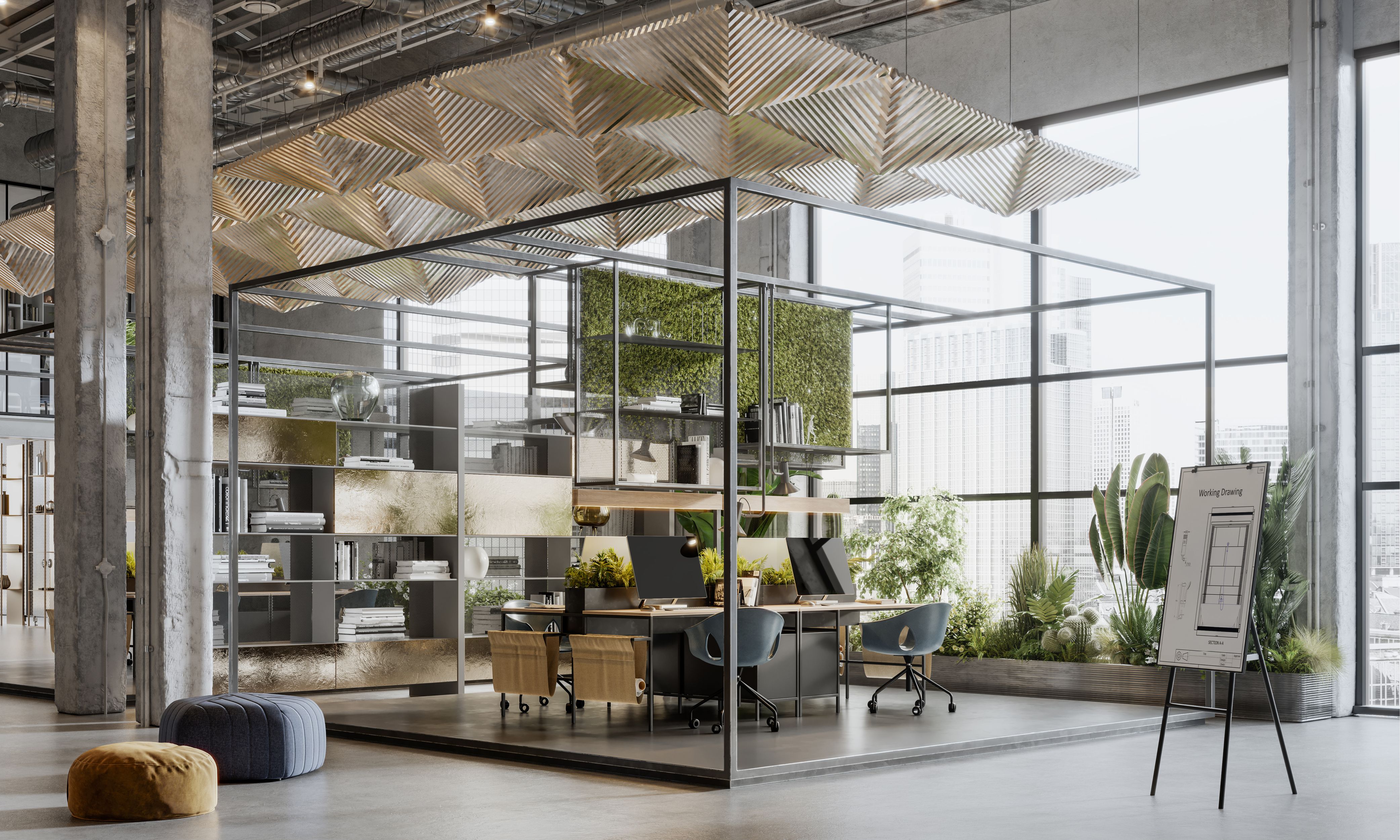
Multi-functional spaces represent the future of home design because they address the needs of modern living. They offer flexibility, efficiency, and adaptability, making homes more practical and enjoyable. As lifestyles continue to evolve, the demand for versatile spaces will only increase. By embracing multi-functional design, homeowners can create environments that grow and change with them. Ultimately, the future of home design lies in spaces that do more, adapt better, and provide a seamless blend of comfort and functionality.